🌿 How Childhood Trauma Can Echo Into Adulthood
🌿 How Childhood Trauma Can Echo Into Adulthood
Apr 18, 2025
Apr 18, 2025
Understanding how our past shapes our present, and how healing is possible
Understanding how our past shapes our present, and how healing is possible
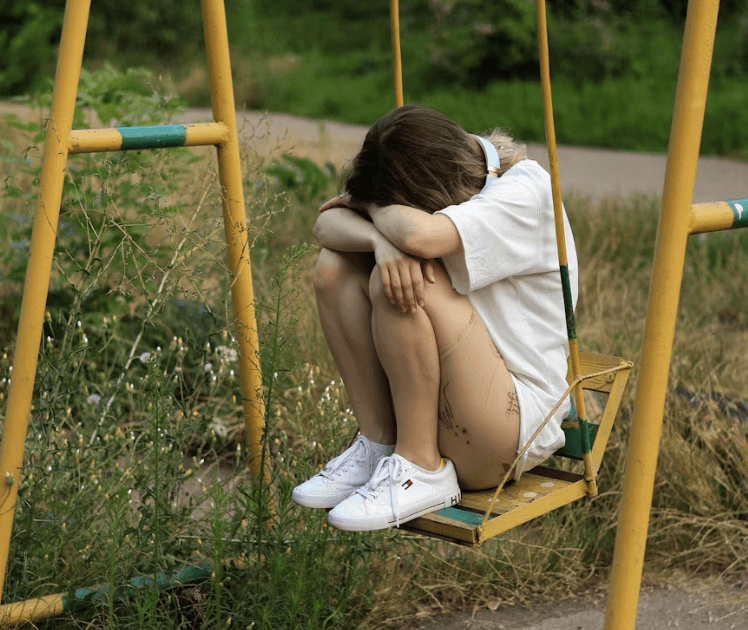
At Soul Tribe, we often meet women who feel overwhelmed by their emotions, disconnected in relationships, or trapped in patterns they can’t quite explain. What many don’t realise is that these feelings may be rooted in something far deeper: experiences from childhood.
Let’s gently explore how early trauma can affect the body, brain, and behaviour — and why it’s never too late to heal.
💔 Attachment: The First Blueprint for Relationships
From our earliest days, we learn how to relate to others based on how we’re cared for. These patterns, called attachment styles, are shaped by how emotionally responsive our parents or caregivers were.
Children who feel safe and seen tend to develop secure attachment styles.
But children who grow up with neglect, unpredictability, or emotional distance often develop insecure or disorganised attachments — patterns that can show up later as anxiety, avoidance, or intense emotional highs and lows in adult relationships.
🧠 How Trauma Shows Up Later in Life
Research shows that adverse childhood experiences (ACEs) — like emotional neglect, abuse, or family dysfunction — can manifest in many ways later in life, including:
Relationship struggles
Anxiety, depression, or panic attacks
Eating disorders or sleep issues
ADHD-like symptoms
Addiction, self-sabotage, or risk-taking
Chronic guilt, shame, or low self-esteem
These patterns aren’t “your fault.” They’re survival strategies shaped by early environments.
🔥 The Body Keeps the Score
Early trauma isn’t just emotional — it gets stored in the body. Studies show that childhood adversity increases the risk of:
Heart disease and type 2 diabetes
Chronic pain, fatigue, and inflammation
Hormonal imbalances
Weakened immune response
Even early death
Stress in childhood changes how our nervous system develops. For many, the body learns to stay in a state of “fight, flight or freeze,” even when the danger has long passed.
🧬 Trauma and the Brain
Trauma can reshape the brain’s architecture. Childhood abuse, neglect, or constant stress can lead to:
Heightened anxiety
Trouble concentrating or remembering
Difficulty regulating emotions
A stronger fear response
Even experiences like maternal depression or community violence have been shown to alter brain development. And remarkably, trauma may even affect how certain genes are expressed — a field known as epigenetics.
💸 Poverty, Inequality & Long-Term Impact
Not all trauma happens inside the home. Growing up in poverty, with constant stress or exposure to community violence, also affects development.
Children from deprived backgrounds face greater challenges with:
Emotional regulation
School performance
Long-term job prospects and income
Health and social outcomes
The strain of poverty can limit a parent’s capacity to be emotionally present — through no fault of their own. This is why healing must also involve supporting families and communities, not just individuals.
🌱 Hope, Healing & Resilience
Here’s the good news: while early trauma has serious effects, healing is absolutely possible.
Therapy can help rewire attachment patterns and build emotional resilience.
Safe, supportive relationships — whether with friends, mentors, or Soul Tribe circles — have the power to re-shape how we see ourselves.
Creative expression, mindfulness, time in nature, and gentle movement can all help regulate the nervous system.
Even small changes — a supportive teacher, a move to a more stable environment, a kind therapist — can shift someone’s path entirely. Secure connections now can heal insecure ones from the past.
💖 At Soul Tribe, We Believe…
Your past does not define your future.
You are not broken — you adapted.
Healing isn’t a straight line, but it’s always possible.
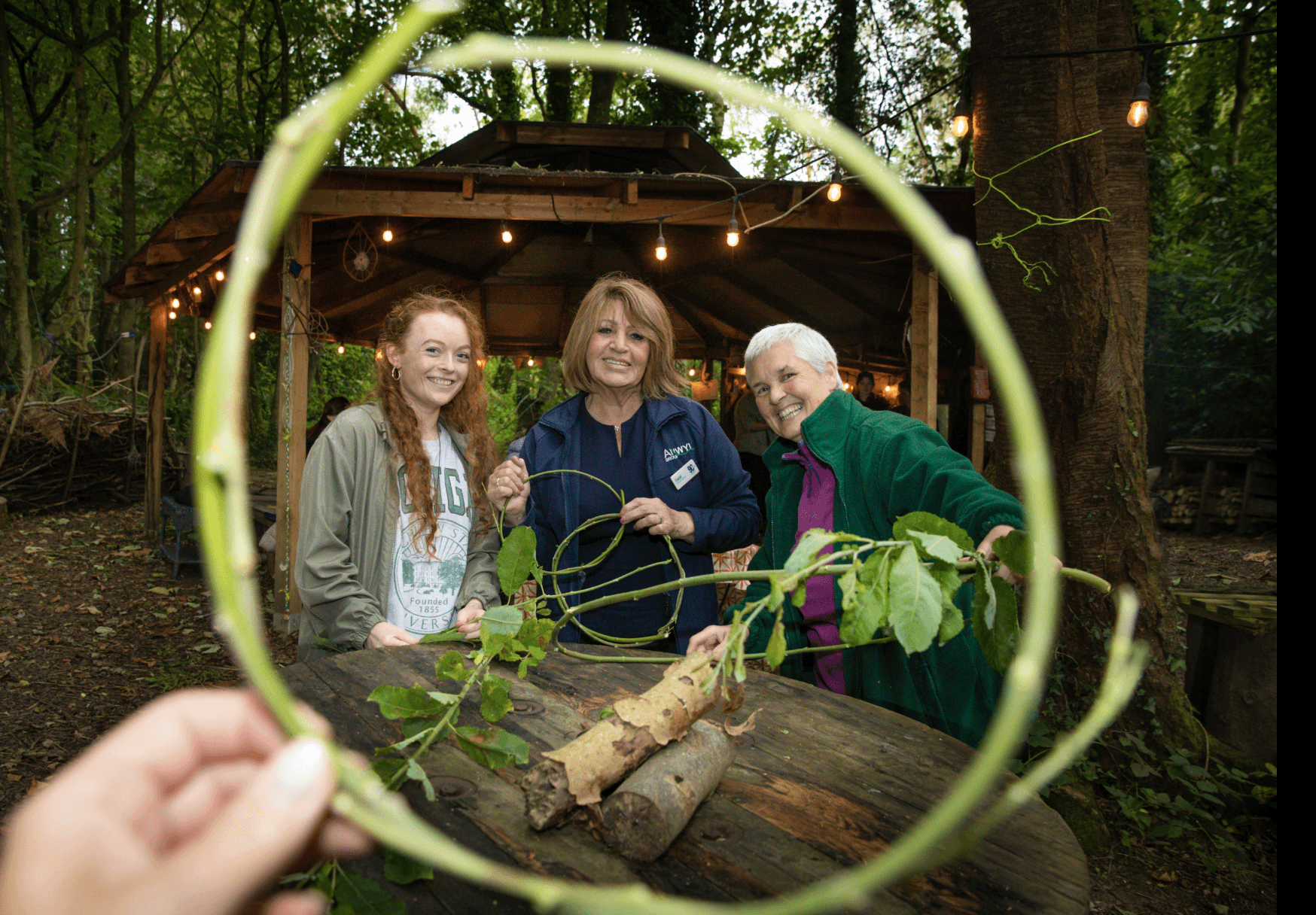
Through nature-based meetups, gentle group activities, and supportive sisterhood, we help women reconnect with their bodies, emotions, and self-worth. We honour every part of your story — especially the parts you were told to hide.
If you're carrying the weight of childhood pain — or simply want to understand yourself better — you're not alone.
Soul Tribe is here to walk with you on the path to healing, connection, and belonging.
Would you like a shorter version for social media or a follow-up post that breaks this down into “signs you might be carrying childhood trauma”? Let me know, I’d love to help.
At Soul Tribe, we often meet women who feel overwhelmed by their emotions, disconnected in relationships, or trapped in patterns they can’t quite explain. What many don’t realise is that these feelings may be rooted in something far deeper: experiences from childhood.
Let’s gently explore how early trauma can affect the body, brain, and behaviour — and why it’s never too late to heal.
💔 Attachment: The First Blueprint for Relationships
From our earliest days, we learn how to relate to others based on how we’re cared for. These patterns, called attachment styles, are shaped by how emotionally responsive our parents or caregivers were.
Children who feel safe and seen tend to develop secure attachment styles.
But children who grow up with neglect, unpredictability, or emotional distance often develop insecure or disorganised attachments — patterns that can show up later as anxiety, avoidance, or intense emotional highs and lows in adult relationships.
🧠 How Trauma Shows Up Later in Life
Research shows that adverse childhood experiences (ACEs) — like emotional neglect, abuse, or family dysfunction — can manifest in many ways later in life, including:
Relationship struggles
Anxiety, depression, or panic attacks
Eating disorders or sleep issues
ADHD-like symptoms
Addiction, self-sabotage, or risk-taking
Chronic guilt, shame, or low self-esteem
These patterns aren’t “your fault.” They’re survival strategies shaped by early environments.
🔥 The Body Keeps the Score
Early trauma isn’t just emotional — it gets stored in the body. Studies show that childhood adversity increases the risk of:
Heart disease and type 2 diabetes
Chronic pain, fatigue, and inflammation
Hormonal imbalances
Weakened immune response
Even early death
Stress in childhood changes how our nervous system develops. For many, the body learns to stay in a state of “fight, flight or freeze,” even when the danger has long passed.
🧬 Trauma and the Brain
Trauma can reshape the brain’s architecture. Childhood abuse, neglect, or constant stress can lead to:
Heightened anxiety
Trouble concentrating or remembering
Difficulty regulating emotions
A stronger fear response
Even experiences like maternal depression or community violence have been shown to alter brain development. And remarkably, trauma may even affect how certain genes are expressed — a field known as epigenetics.
💸 Poverty, Inequality & Long-Term Impact
Not all trauma happens inside the home. Growing up in poverty, with constant stress or exposure to community violence, also affects development.
Children from deprived backgrounds face greater challenges with:
Emotional regulation
School performance
Long-term job prospects and income
Health and social outcomes
The strain of poverty can limit a parent’s capacity to be emotionally present — through no fault of their own. This is why healing must also involve supporting families and communities, not just individuals.
🌱 Hope, Healing & Resilience
Here’s the good news: while early trauma has serious effects, healing is absolutely possible.
Therapy can help rewire attachment patterns and build emotional resilience.
Safe, supportive relationships — whether with friends, mentors, or Soul Tribe circles — have the power to re-shape how we see ourselves.
Creative expression, mindfulness, time in nature, and gentle movement can all help regulate the nervous system.
Even small changes — a supportive teacher, a move to a more stable environment, a kind therapist — can shift someone’s path entirely. Secure connections now can heal insecure ones from the past.
💖 At Soul Tribe, We Believe…
Your past does not define your future.
You are not broken — you adapted.
Healing isn’t a straight line, but it’s always possible.
Through nature-based meetups, gentle group activities, and supportive sisterhood, we help women reconnect with their bodies, emotions, and self-worth. We honour every part of your story — especially the parts you were told to hide.
If you're carrying the weight of childhood pain — or simply want to understand yourself better — you're not alone.
Soul Tribe is here to walk with you on the path to healing, connection, and belonging.
Would you like a shorter version for social media or a follow-up post that breaks this down into “signs you might be carrying childhood trauma”? Let me know, I’d love to help.