Why We Stay in Toxic Relationships
Why We Stay in Toxic Relationships
Jan 29, 2025
Jan 29, 2025
Understanding Trauma Bonding: Why We Stay in Toxic Relationships
Understanding Trauma Bonding: Why We Stay in Toxic Relationships

💔 Understanding Trauma Bonding: Why We Stay in Toxic Relationships
When someone you love hurts you then showers you with affection it can spark a confusing and powerful emotional bond. This is known as trauma bonding, and it often traps people in harmful relationships, even when they know they deserve better.
What is Trauma Bonding?
Trauma bonding describes the intense, unhealthy attachment that forms between a victim and their abuser. It happens through a cycle of harm followed by kindness, where intermittent affection makes the abuse harder to leave. This bond isn't weakness, it's a survival mechanism, wired into our brains to cling to any glimmer of safety and care .
The Classic Cycle: 7 Stages of Trauma Bonding
Experts often break this process into seven stages, showing how quickly and subtly the bond can take hold:
Love bombing: Overwhelming admiration and affection at the start.
Trust and dependency: You rely on them emotionally or even financially.
Criticism and devaluation: Subtle put-downs, blame, and gaslighting.
Manipulation: Control, isolation, and emotional abuse escalate.
Submission: You stop resisting, giving in to the cycle.
Loss of self: Your self-worth erodes; your identity feels buried.
Emotional dependence: You crave the “good” moments and cling to them.
Signs You're in a Trauma Bond
You might not see it right away—but here are red flags to look out for:
Justifying abuse (“They’re just stressed…”).
Making excuses to others or yourself.
Hiding the relationship from friends and family.
Feeling you can’t leave or are afraid to leave.
Blaming yourself or minimising the harm.
Tolerating behaviour you shouldn't accept.
Why Trauma Bonds Are So Powerful
Intermittent reinforcement: Occasional affection makes the abuse feel worth enduring
Power imbalance: The abuser isolates and controls you, deepening dependency
Brain’s survival response: Under stress, cortisol surges. Our amygdala switches on—logic dims, survival instincts dominate.
The Hidden Toll: Health, Body & Mind
Trauma bonding affects more than your heart. Chronic stress from abuse:
Elevates cortisol → higher anxiety, blood pressure, immune issues
Triggers depression, PTSD symptoms, sleep disorders.
Weakens physical health—like asthma, fibromyalgia, and chronic pain .
Breaking Free: Steps Toward Healing
Escaping a trauma bond takes courage, planning, and support but it can be done
Acknowledge the bond: Naming it is the first, brave step.
Create distance: Low or no contact cuts the power cycle.
Seek help: Therapists, trusted friends, support groups become your anchors .
Build self-compassion: Relearn your worth self-talk, nature, creative outlets all help
Stay safe: Have a safety plan in place for when tensions spike .
Path to Recovery
Healing is a journey not a sprint. Recovery might involve CBT or DBT therapies, self-care routines, reconnecting with support systems, and learning new relationship boundaries Every step away from the bond is a step toward rediscovering your true self.
🌿 At Soul Tribe…
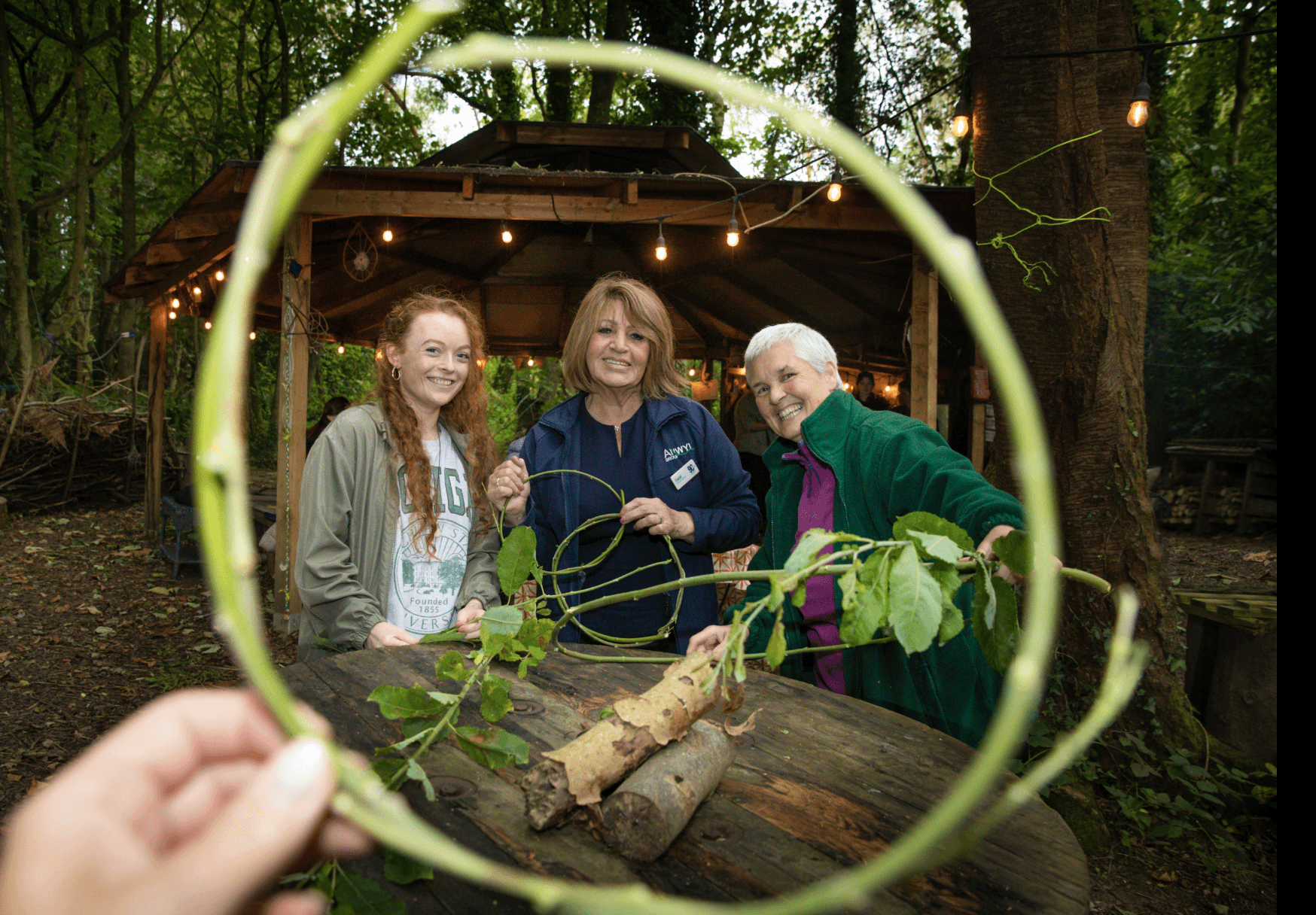
We deeply understand how emotional wounds, especially from trauma bonds can leave you feeling isolated, stuck, and unsure. That’s why our community offers safe, nature-based spaces for connection, rebuilding identity, and reclaiming strength. You are not alone.
If you’ve ever felt tangled in a trauma bond or any relationship that makes you doubt your worth we’re here. With empathy, peer support, and gentle guidance, together we’ll help you heal.
Need help or someone to talk to?
Reach out to Soul Tribe, to a trusted friend, or to a qualified therapist and begin rewriting your story. You're worth the journey.
If you'd like adaptable workshop scripts, social posts, or a supportive group outline around this topic, just let me know 😊
💔 Understanding Trauma Bonding: Why We Stay in Toxic Relationships
When someone you love hurts you then showers you with affection it can spark a confusing and powerful emotional bond. This is known as trauma bonding, and it often traps people in harmful relationships, even when they know they deserve better.
What is Trauma Bonding?
Trauma bonding describes the intense, unhealthy attachment that forms between a victim and their abuser. It happens through a cycle of harm followed by kindness, where intermittent affection makes the abuse harder to leave. This bond isn't weakness, it's a survival mechanism, wired into our brains to cling to any glimmer of safety and care .
The Classic Cycle: 7 Stages of Trauma Bonding
Experts often break this process into seven stages, showing how quickly and subtly the bond can take hold:
Love bombing: Overwhelming admiration and affection at the start.
Trust and dependency: You rely on them emotionally or even financially.
Criticism and devaluation: Subtle put-downs, blame, and gaslighting.
Manipulation: Control, isolation, and emotional abuse escalate.
Submission: You stop resisting, giving in to the cycle.
Loss of self: Your self-worth erodes; your identity feels buried.
Emotional dependence: You crave the “good” moments and cling to them.
Signs You're in a Trauma Bond
You might not see it right away—but here are red flags to look out for:
Justifying abuse (“They’re just stressed…”).
Making excuses to others or yourself.
Hiding the relationship from friends and family.
Feeling you can’t leave or are afraid to leave.
Blaming yourself or minimising the harm.
Tolerating behaviour you shouldn't accept.
Why Trauma Bonds Are So Powerful
Intermittent reinforcement: Occasional affection makes the abuse feel worth enduring
Power imbalance: The abuser isolates and controls you, deepening dependency
Brain’s survival response: Under stress, cortisol surges. Our amygdala switches on—logic dims, survival instincts dominate.
The Hidden Toll: Health, Body & Mind
Trauma bonding affects more than your heart. Chronic stress from abuse:
Elevates cortisol → higher anxiety, blood pressure, immune issues
Triggers depression, PTSD symptoms, sleep disorders.
Weakens physical health—like asthma, fibromyalgia, and chronic pain .
Breaking Free: Steps Toward Healing
Escaping a trauma bond takes courage, planning, and support but it can be done
Acknowledge the bond: Naming it is the first, brave step.
Create distance: Low or no contact cuts the power cycle.
Seek help: Therapists, trusted friends, support groups become your anchors .
Build self-compassion: Relearn your worth self-talk, nature, creative outlets all help
Stay safe: Have a safety plan in place for when tensions spike .
Path to Recovery
Healing is a journey not a sprint. Recovery might involve CBT or DBT therapies, self-care routines, reconnecting with support systems, and learning new relationship boundaries Every step away from the bond is a step toward rediscovering your true self.
🌿 At Soul Tribe…
We deeply understand how emotional wounds, especially from trauma bonds can leave you feeling isolated, stuck, and unsure. That’s why our community offers safe, nature-based spaces for connection, rebuilding identity, and reclaiming strength. You are not alone.
If you’ve ever felt tangled in a trauma bond or any relationship that makes you doubt your worth we’re here. With empathy, peer support, and gentle guidance, together we’ll help you heal.
Need help or someone to talk to?
Reach out to Soul Tribe, to a trusted friend, or to a qualified therapist and begin rewriting your story. You're worth the journey.
If you'd like adaptable workshop scripts, social posts, or a supportive group outline around this topic, just let me know 😊